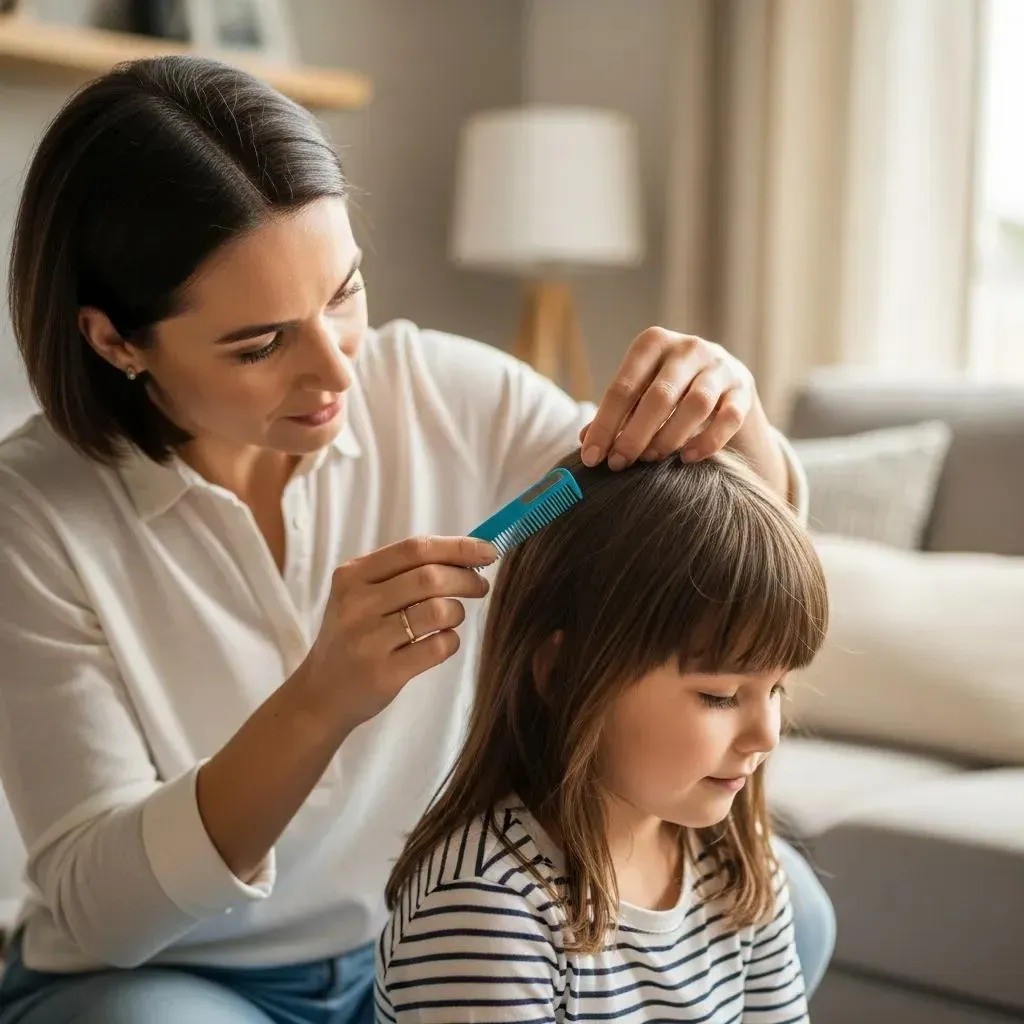
Lice Happens Atlanta, a lice treatment clinic serving the greater Atlanta area, is drawing attention to a measurable increase in head lice cases reported across Georgia schools in 2026. Data compiled from district health reports indicates a 20 to 25 percent rise in lice-related referrals to school health offices compared to two years earlier. The clinic, known for its chemical-free treatment approach, says the pattern reflects broader issues of stigma and pesticide resistance that prolong outbreaks.
While head lice infestations are not a public health emergency, the emotional and educational disruption is significant. Children with active infestations are often sent home, leading to lost instructional time. Many parents turn to over-the-counter products containing permethrin or pyrethrin, but scientific research confirms that lice populations in Georgia and across the U.S. have developed resistance to these compounds. This resistance, known as the knockdown resistance mutation (kdr), has been found in lice across more than 40 states, with high prevalence in Southern states including Georgia.
“When a treatment fails to fully eliminate an infestation, the child returns to school still carrying active lice or viable eggs, perpetuating the cycle of transmission,” said a spokesperson for Lice Happens Atlanta. School data from Fulton and DeKalb counties shows repeat cases surfacing within weeks of an initial report.
In response, Lice Happens Atlanta promotes an evidence-based, chemical-free treatment method that relies on thorough manual removal and mechanical action rather than pesticides. This approach is especially relevant for children with sensitive skin or health conditions that make chemical treatments inadvisable. The clinic emphasizes that choosing chemical-free treatment is not a lifestyle preference but a clinically supported path given widespread resistance.
Beyond treatment, Lice Happens Atlanta advocates for proactive prevention strategies, including avoiding head-to-head contact, not sharing personal items, and performing routine checks. The clinic also works with schools to replace blanket “no-nit” policies—which the American Academy of Pediatrics says are not evidence-based—with targeted screening of close contacts. “Inconsistent messaging is one of the primary factors that allows outbreaks to extend beyond their original point of origin,” the spokesperson added.
Stigma remains a major barrier. Many families delay seeking help or avoid notifying schools out of embarrassment, directly prolonging outbreaks. Lice Happens Atlanta stresses that lice are not associated with hygiene or socioeconomic status; they spread through direct head-to-head contact. Reducing stigma encourages quick, transparent action that benefits the entire school community.
Parents suspecting lice are encouraged to seek professional screening rather than self-diagnosis, as lice and nits are often mistaken for dandruff or residue. A trained technician can confirm an active infestation and determine the appropriate treatment. As one of the established Atlanta lice experts, Lice Happens Atlanta sees a clear link between the 2026 data and what they observe clinically: more families arriving after failed over-the-counter treatments, and more schools seeking guidance on recurrent outbreaks.
“The broader takeaway is that communities investing in education and access to professional, effective treatment will experience shorter and less widespread outbreaks,” the clinic stated. Head lice prevention in Atlanta requires accessible, expert-led treatment and consistent communication among clinics, schools, and families. For more information, visit Lice Happens Atlanta.