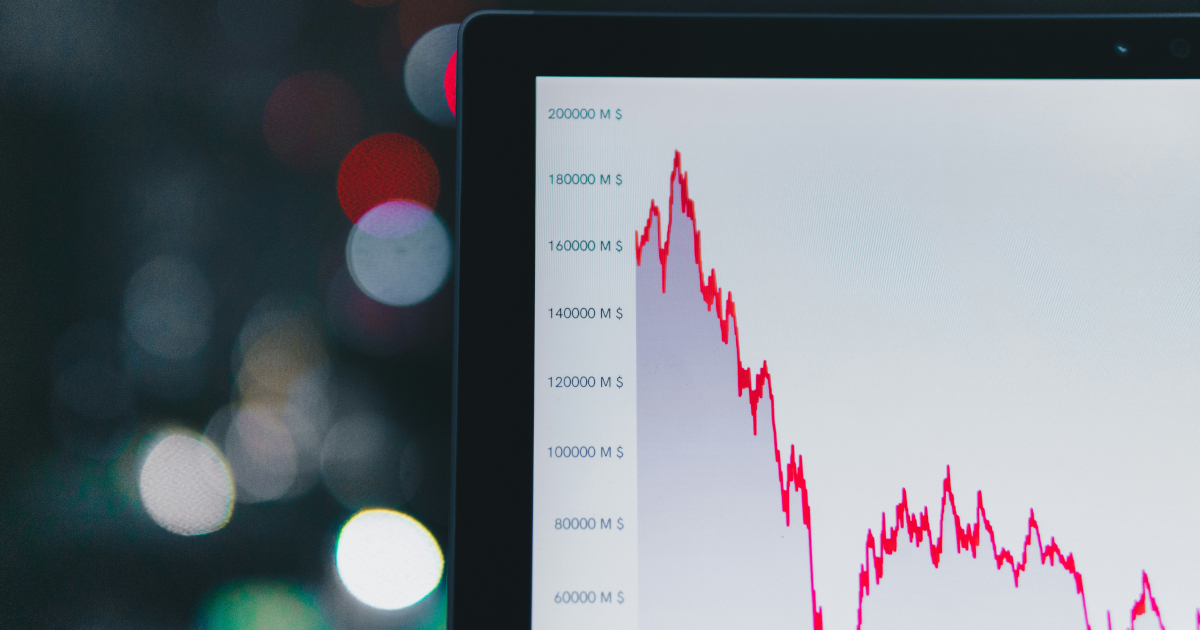
Initial Public Offerings (IPOs) represent a significant opportunity for investors to buy shares in a company before it begins trading on a public exchange. While historically reserved for institutional investors and high-net-worth individuals, retail investors now have greater access through digital platforms such as SoFi (NASDAQ: SOFI). However, IPO investing carries substantial risks, including price volatility and uncertain long-term performance.
An IPO occurs when a private company sells shares to the public to raise capital. The process involves filing a prospectus with the U.S. Securities and Exchange Commission (SEC), which details the company's financial history, risk factors, and use of proceeds. Underwriters, typically investment banks, help determine the offering price and number of shares. Companies choose to list on exchanges like the New York Stock Exchange or Nasdaq, each with different listing standards.
Traditionally, IPO shares are allocated to institutional investors and insiders, often leaving retail investors out. However, platforms like SoFi Securities now allow eligible members to request IPO shares directly through their app. SoFi may participate in underwriting syndicates, distributing shares to retail investors with no account minimums. This democratization of IPO access was a game-changer, as noted in the press release: "Before companies like SoFi came on the scene, IPO shares were relegated to institutions and high-net worth investors with connections." Interested investors can check out their website for more details.
Investing in IPOs has both pros and cons. On the positive side, investors gain early access to potentially high-growth companies, and IPOs can offer liquidity and portfolio diversification. Public companies must file financials with the SEC, providing transparency. However, risks include high volatility, limited operating history, and potential price drops after lock-up periods expire. Many IPOs that initially surge later fall below their offering price.
Before investing, due diligence is crucial. Investors should read the entire prospectus, focusing on the business model, revenue streams, competition, valuation, and risk factors. It's also important to understand how the company plans to use the proceeds. As the press release advises, "Don't skim over the risk factors. That section of the prospectus can clue you in to any potential red flags."
SoFi Securities offers IPO access but emphasizes the risks: "Investing in an Initial Public Offering (IPO) involves substantial risk, including the risk of losing principal." Investors must carefully read the offering prospectus and consider their objectives and risk tolerance. Allocations are not guaranteed, and many may receive fewer shares than requested. For more on the allocation process, visit IPO Allocation.
In summary, IPO investing is now more accessible to retail investors thanks to platforms like SoFi, but it requires careful analysis and acceptance of significant risks. As with any investment, understanding the company and the terms of the offering is essential to making informed decisions.