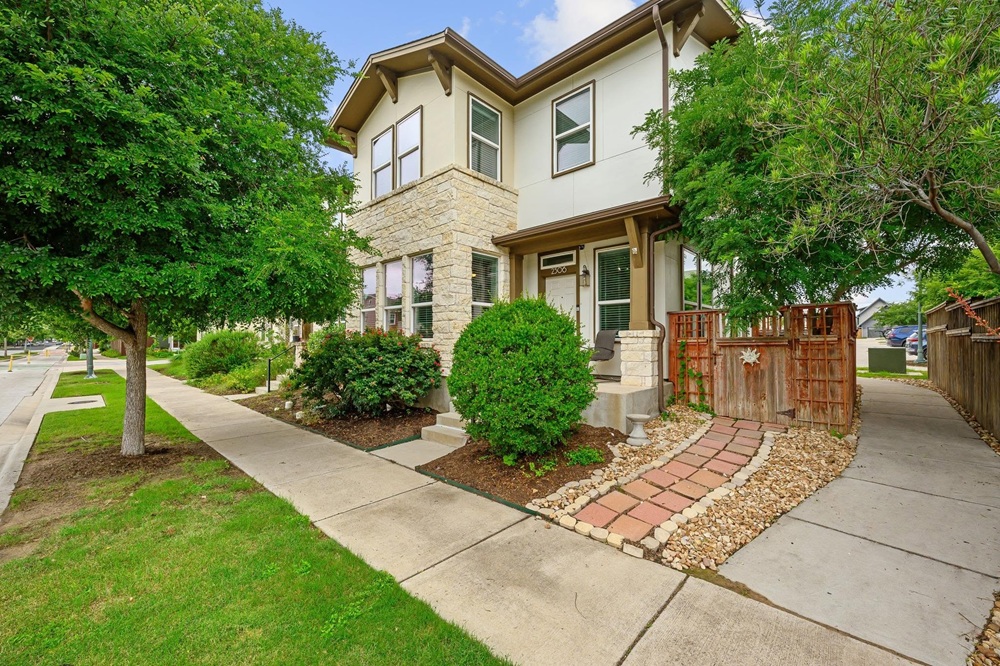
In Austin’s Mueller Neighborhood, a shift toward a more balanced housing market has made buyers less willing to overlook dated interiors. Townhomes with limited natural light dominate the inventory, and sellers who skip inexpensive cosmetic improvements are sitting on the market longer, fielding concession requests, or both.
Kathy Sokolic, a real estate professional with Mueller Residential Group who lives in the neighborhood, says the most common mistake she sees Mueller sellers make right now is skipping the make-ready process. “Buyers are picky right now,” Sokolic says. “If your home does have tired finishes, there’s not as much of a market for that. They’ll go find something else.” This marks a departure from 2021 and 2022, when low inventory and intense competition pushed buyers to overlook cosmetic issues. The market has returned to pre-pandemic norms, more balanced and tilted slightly toward buyers.
The improvements that move homes quickly are often inexpensive: fresh neutral paint, professional window cleaning, deep carpet cleaning, updated light fixtures, and refreshed cabinet hardware. Painting kitchen cabinets, adding a backsplash, and replacing an outdated ceiling fan can shift a home from feeling dated to move-in ready. Sokolic estimates that basic cosmetic work can yield as much as $20,000 extra on the sale. “Do you know what’s going to cost you more than $200? Sitting on this house for 60 days longer than you wanted to,” she says.
In Mueller, the make-ready calculus is shaped by the housing stock. Many townhomes are interior units with windows only on the front and back, limiting natural light. Clean windows, warm lighting, and bright fixtures are not optional staging touches—they are functional selling requirements. A dark, dated interior in a townhome with limited window exposure is a particularly difficult sell when buyers have alternatives.
Beyond days on market, cosmetic condition directly affects negotiating leverage. In the current Austin market, buyers use concessions to buy down interest rates, fund major repairs, or address cosmetic issues. The less prepared a home is, the more concession exposure a seller faces. Sokolic describes a hierarchy: a well-prepared single-family detached home with outdoor space sits at the top; an attached townhome or condo in good condition sits in the middle; a dated, unprepared home sits at the bottom, where bargain-seeking buyers set the terms. Deferred maintenance also surfaces as concession requests, such as an aging air conditioning system that buyers flag during showings.
Sokolic’s process with sellers begins before a home hits the market. She provides make-ready recommendations, connects sellers with contractors, and advises on improvements offering the best return given the property type and conditions. Mueller Residential Group operates within the Compass brokerage, formerly Realty Austin, which provides national marketing reach while preserving local knowledge. Other agents and brokerages in the Austin market offer similar services, but Sokolic emphasizes the neighborhood-specific expertise from living and working exclusively in Mueller.
As Austin’s market continues to normalize, the gap between prepared and unprepared listings is widening. Sellers who invest in cosmetic readiness are more likely to attract competitive offers and maintain pricing power. Those who don’t face extended time on market, multiple concession requests, and final sale prices below what modest upfront spending could have secured. In a balanced market where buyers have choices, presentation determines who controls the negotiation.