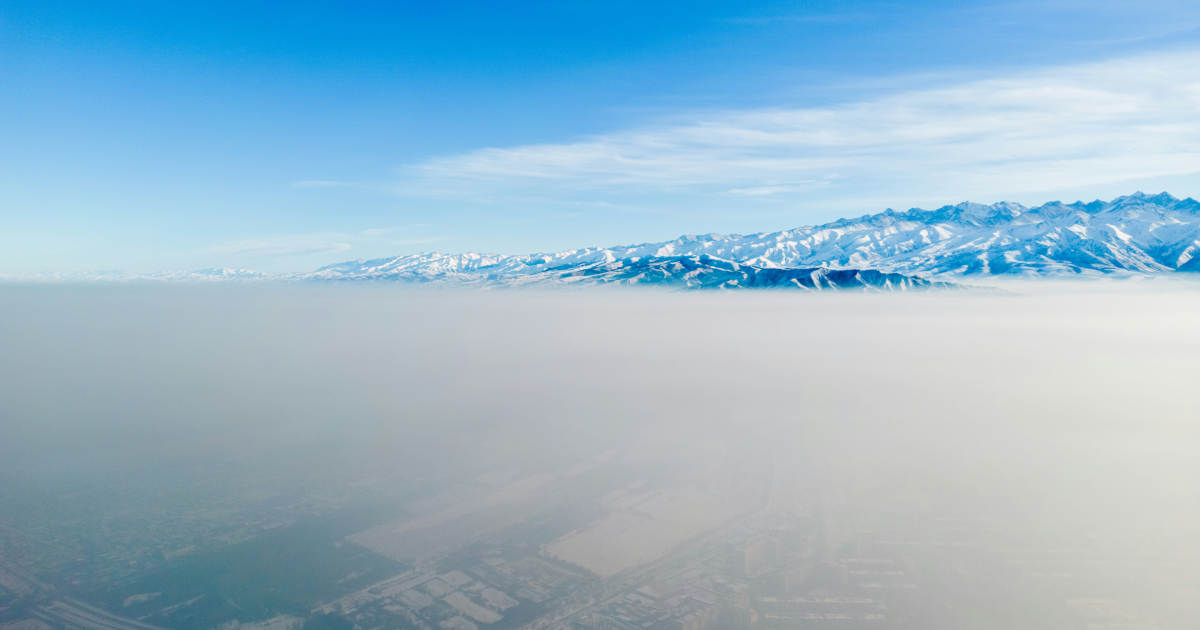
As geopolitical tensions escalate and concerns over the Strait of Hormuz intensify, Greenland Energy (NASDAQ: GLND) is positioning its Jameson Land Basin project as a potential new source of diversified oil supply. The company, which has an agreement to earn up to a 70% interest in the basin by funding exploration activities, is advancing field preparation and infrastructure planning for a targeted 2026 drilling program. With two planned wells, the project underscores a growing focus on energy security and the need for exploration outside traditional producing regions.
Greenland Energy's Jameson Land Basin is supported by reprocessed seismic data and geological analysis, highlighting the basin's potential. The company's efforts come at a time when global energy supply resilience is under scrutiny, particularly due to risks associated with the Strait of Hormuz, a critical chokepoint for oil shipments. By advancing exploration in Greenland, the company aims to contribute to energy security by tapping into new hydrocarbon resources in a geopolitically stable region.
The project, however, is not without risks. Greenland's harsh Arctic environment presents significant operational challenges, including extreme climate, limited daylight, and seasonal access windows. Drilling hazards such as blowouts and equipment failures are inherent, and the company relies on third-party contractors. Additionally, the basin has never produced a commercial discovery despite decades of study, and a 2008 USGS report indicated less than a 10% chance of containing a technically recoverable hydrocarbon accumulation. Estimated well costs are $40 million for the first well and $20 million for subsequent wells, requiring substantial capital.
Regulatory and political factors also pose risks. Greenland imposed a drilling moratorium in 2021, though existing licenses are grandfathered. Future regulatory changes could jeopardize operations, and permit approvals from Greenlandic authorities are required. Geopolitical tensions, including U.S. interest in acquiring Greenland and Greenland's independence movements, could affect operations. Failure to meet drilling milestones could result in forfeiture of the company's right to earn working interests.
Financially, Greenland Energy faces going concern uncertainty and needs substantial funding beyond current resources to complete the drilling program. Commodity price volatility and the energy transition, with potential declines in oil demand due to electric vehicles and renewable energy policies, add further uncertainty. Despite these challenges, the company's fully financed frontier exploration project is gaining attention as a potential new source of oil in a world increasingly focused on energy security.
For more information, visit the full article at https://nnw.fm/hBujn and the company's newsroom at https://ibn.fm/GLND.