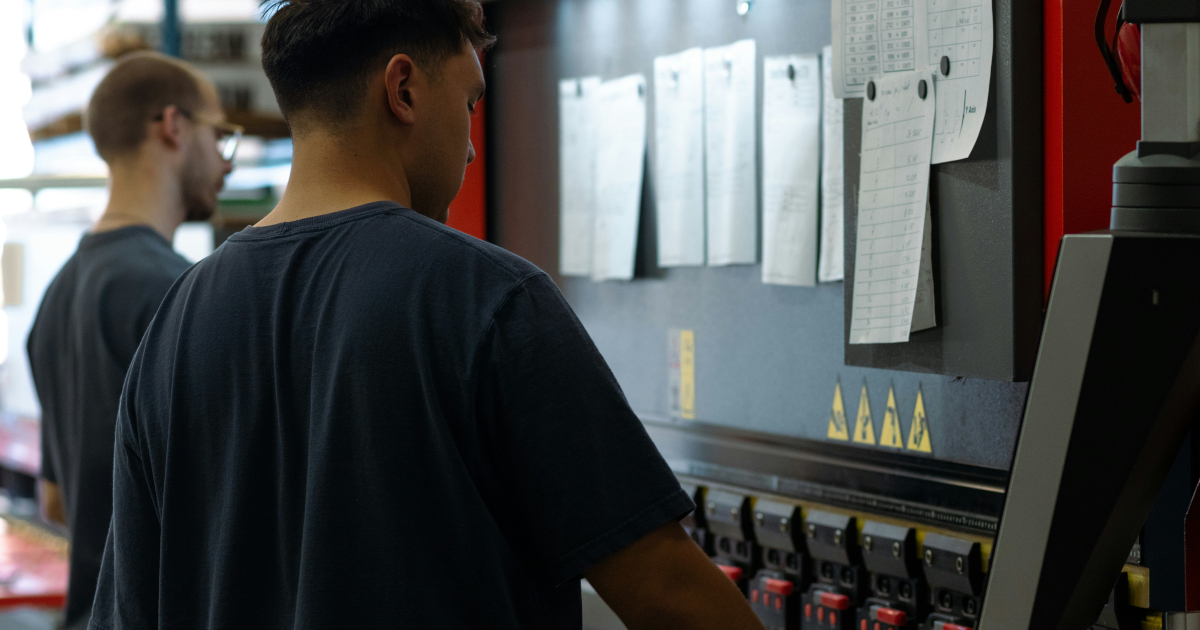
Ford Motor Company has acknowledged that experienced engineers remain essential to its manufacturing process after artificial intelligence failed to deliver the level of quality the company expected on its own. The automaker has brought back more than 300 seasoned quality specialists in recent years, recognizing that human expertise continues to play a critical role alongside advanced technology.
The decision underscores the limitations of AI in complex manufacturing environments, where nuanced judgment and experience can be irreplaceable. Ford's move serves as a case study for other firms relying heavily on AI, such as Datavault AI Inc. (NASDAQ: DVLT), which may need to balance automation with human oversight to achieve optimal outcomes.
Industry analysts suggest that while AI can enhance efficiency and data analysis, it often struggles with tasks requiring adaptive problem-solving or contextual understanding. Ford's rehiring initiative reflects a broader trend where companies are recalibrating their AI strategies, integrating human judgment to address gaps in machine learning models.
The automotive sector has been at the forefront of AI adoption, using the technology for tasks ranging from supply chain optimization to quality control. However, Ford's experience indicates that AI systems may still require human intervention to ensure consistent quality. The company has not disclosed specific instances where AI fell short, but the rehiring of over 300 specialists signals a significant acknowledgment of AI's current limitations.
Ford's approach may influence other industries that have aggressively pursued automation. The company's move aligns with findings that human-AI collaboration often yields better results than full automation, particularly in fields where errors can have costly consequences. By reintegrating experienced engineers, Ford aims to leverage their expertise to refine AI algorithms and improve overall quality.
The automaker's decision also highlights the importance of retaining institutional knowledge. As companies adopt new technologies, they may overlook the value of experienced employees who understand the nuances of production processes. Ford's rehiring strategy ensures that critical knowledge is preserved and applied in conjunction with AI tools.
While Ford has not provided detailed data on the impact of the rehired specialists, the company's public acknowledgment suggests that the integration of human expertise has been beneficial. This development serves as a cautionary tale for firms that view AI as a complete replacement for human labor, emphasizing that technology complements rather than supplants human skills.
As AI continues to evolve, companies like Ford demonstrate that a balanced approach—combining advanced technology with human insight—is key to achieving high quality and operational excellence. The automotive giant's experience underscores the need for ongoing evaluation of AI performance and a willingness to adapt strategies based on real-world outcomes.