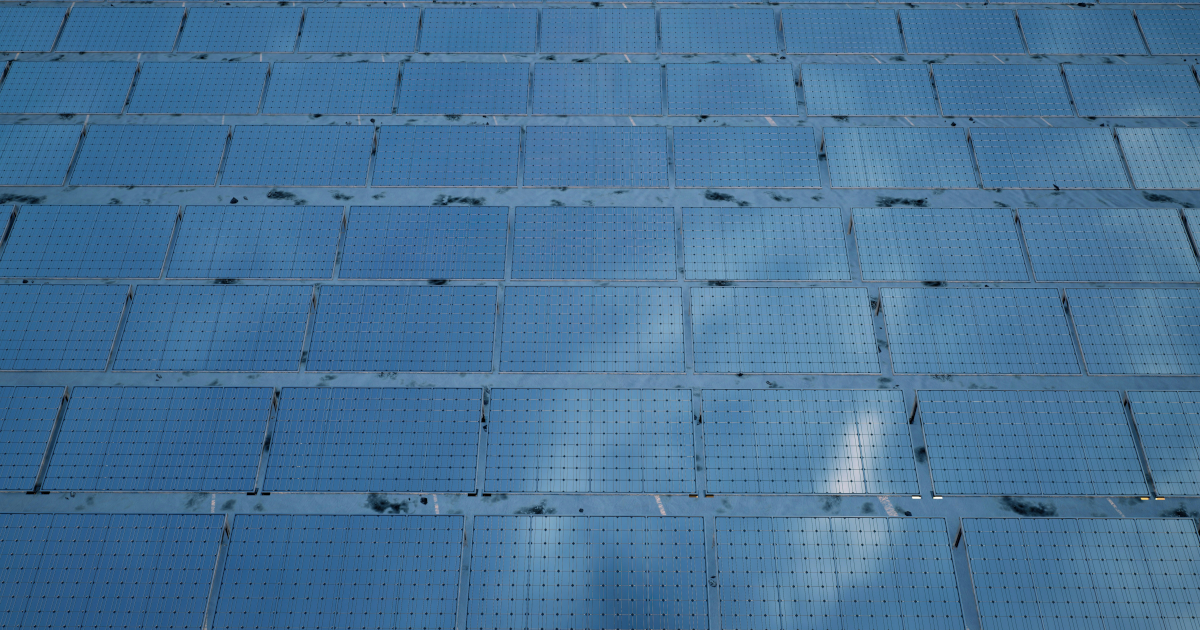
Rooftop solar panels are found in just 5% to 7% of American households, according to industry estimates, largely due to high installation costs, building constraints, and landlord restrictions that keep the technology out of reach for many more. A smaller-scale alternative, known as plug-in or balcony solar, is drawing attention as a more accessible option that could benefit both homeowners and renters.
These systems, which typically consist of one or two solar panels that can be mounted on a balcony or patio and plugged into a standard wall outlet, allow users to generate electricity without the need for professional installation or structural modifications. As more families acquire these systems, solar energy companies like GeoSolar Technologies Inc. could come up with variations designed to meet the needs of different sizes of families or living situations.
The plug-in solar market is still in its early stages, but proponents argue that it could democratize access to solar energy. Unlike rooftop systems, which can cost $15,000 to $25,000 before incentives, balcony solar kits are available for a few hundred to a few thousand dollars. They also bypass many of the barriers that have slowed rooftop adoption, such as the need for homeowner association approval or landlord permission, because they are considered portable and do not permanently alter the property.
For renters, who make up about one-third of U.S. households, balcony solar offers a rare opportunity to reduce electricity bills and participate in the clean energy transition. Landlords are often reluctant to allow rooftop installations due to concerns about roof damage or aesthetics, but plug-in systems require no structural changes and can be removed when the tenant moves.
However, balcony solar systems generate significantly less power than rooftop arrays. A typical setup might produce 200 to 400 watts, enough to offset lighting, electronics, or a small appliance, but not enough to power an entire home. Still, for households looking to reduce their carbon footprint and save on electricity costs, even a small contribution can be meaningful.
The growing interest in plug-in solar comes as the Biden administration pushes for greater renewable energy adoption to combat climate change. The Inflation Reduction Act includes tax credits for solar installations, but those credits are primarily aimed at larger systems. Advocates are calling for policies that also support small-scale, plug-and-play solar to make clean energy accessible to low- and moderate-income households.
Companies like GeoSolar Technologies Inc. are well-positioned to capitalize on this trend. As the market for balcony solar expands, these firms could develop innovative products tailored to urban dwellers and apartment residents. The potential for growth is significant: if even a fraction of the 44 million renter households in the U.S. adopted balcony solar, it could add gigawatts of distributed generation capacity.
For now, balcony solar remains a niche product, but its simplicity and low cost could make it a gateway to broader solar adoption. As more Americans seek ways to reduce their energy bills and environmental impact, plug-in solar offers a practical first step.