Arizona IOP, an outpatient treatment center in Scottsdale, Arizona, has announced a new flexible scheduling initiative that allows working professionals to receive intensive behavioral healthcare without stepping away from their careers. Unlike traditional residential programs that require clients to disconnect from their digital lives, Arizona IOP permits clients to retain access to cell phones and computers throughout treatment, enabling them to manage professional and family obligations while engaged in recovery.
The update addresses a significant barrier for many working adults who delay seeking help for anxiety, depression, or substance use disorders due to concerns about professional disruption. Conventional residential rehabilitation often compels individuals to take extended leaves of absence, creating financial pressure and workplace complications. Arizona IOP's outpatient model removes this obstacle by offering intensive outpatient programs (IOP) and partial hospitalization programs (PHP) that fit around existing work schedules.
"Recovery should fit into a person's life, not force them to dismantle it," stated a spokesperson for Arizona IOP. "Many professionals delay seeking help because they cannot afford to abandon their corporate or familial obligations. Our flexible scheduling provides a structured, elite clinical framework that allows individuals to sleep in their own beds, honor their professional commitments, and receive premium medical and therapeutic support simultaneously."
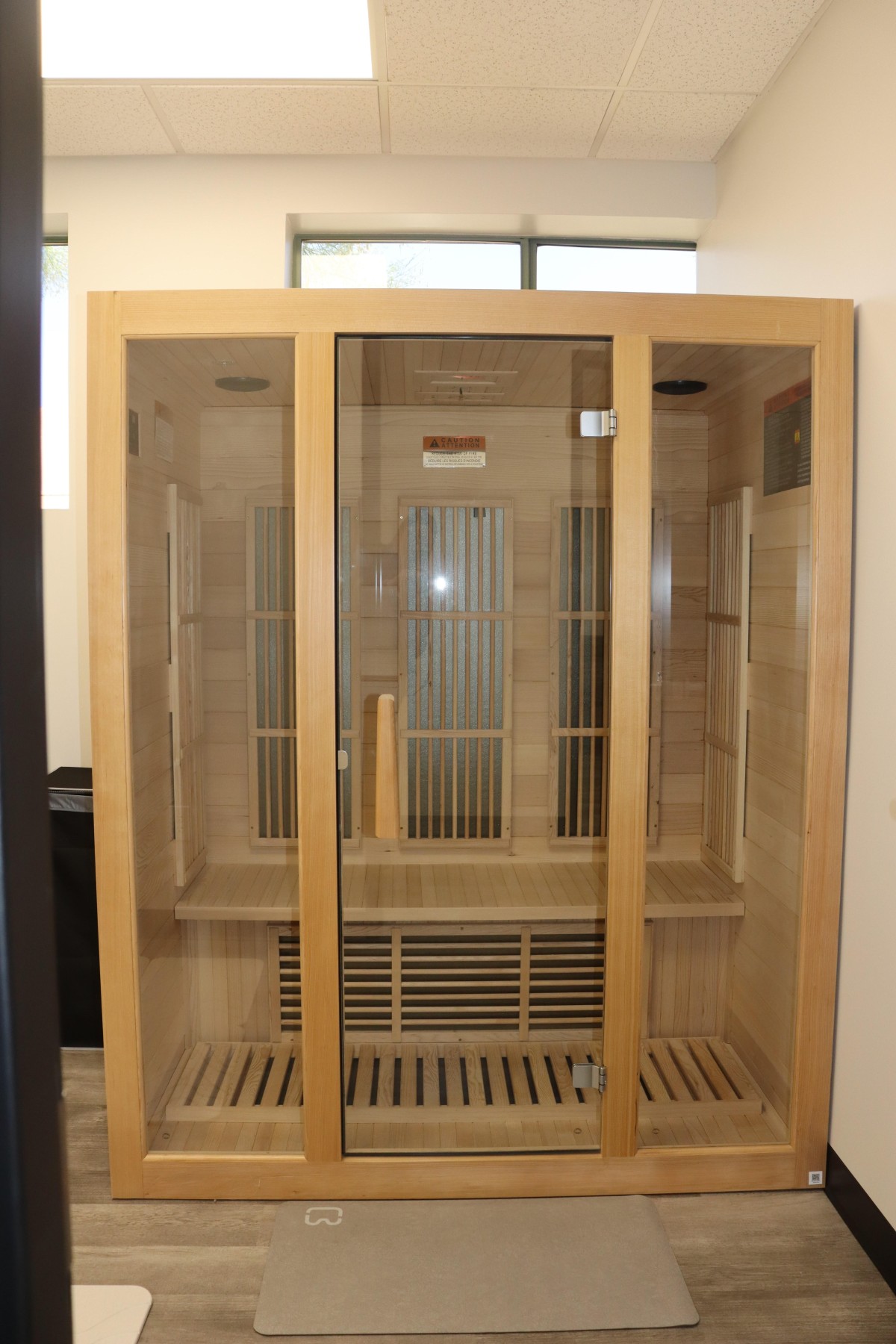
Arizona IOP pairs this flexible access with highly individualized care. While the state average for outpatient groups is 29 clients per facility, Arizona IOP limits its small group sessions to 12-15 clients for more personalized attention. Led by master's-level licensed therapists, the facility is among a limited number nationwide equipped to provide simultaneous dual-diagnosis treatment for co-occurring mental health conditions and addiction. Clients using flexible scheduling have full access to the Scottsdale facilities, which include a brain neurofeedback room, a private movie theater, and a wellness studio with a sauna and cold plunge.
The importance of this announcement lies in its potential to increase treatment accessibility for a demographic that often avoids care due to logistical challenges. By allowing clients to keep their devices and maintain professional connections, Arizona IOP reduces the financial and career-related risks associated with seeking help. This model could serve as a blueprint for other providers aiming to bridge the gap between clinical needs and real-world responsibilities.
For more information, visit Arizona IOP's website.